

Why Is My Chevy’s “Check Engine” Light On?
What it means, how serious it is, and the fastest fix at Tim Moran Chevrolet (Hemet Auto Mall)
Last updated: November 5, 2025
-
The “Check Engine” light = MIL (Malfunction Indicator Lamp). It comes on when your Chevy detects a fault in an emissions or powertrain-related system—even if the vehicle seems to drive fine. Chevrolet+1
-
Solid light: usually safe to drive short distances, but get it checked ASAP. Flashing light: possible misfire/catalyst damage—stop driving and tow the vehicle. Chevrolet
-
Common causes: loose/damaged gas cap (EVAP leak), O₂ sensor, ignition misfire (plugs/coils), MAF sensor, catalytic converter, or sensor wiring issues. (Gas cap/EVAP is a frequent simple culprit.) Christian Brothers Automotive
-
Pro move: push the OnStar blue button for a quick diagnostic status (when equipped/active) and book a Certified Service visit so we can pull codes, verify live data, and fix it right the first time. OnStar
→ Schedule Service · Order Genuine GM Parts · Shop New Chevrolets
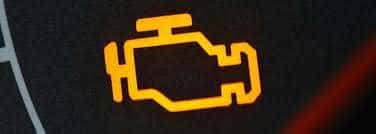
What the light really means
Your Chevy continuously runs OBD-II self-checks. When a test fails, the engine computer stores a DTC (Diagnostic Trouble Code) and turns on the MIL (“Check Engine” light). These codes guide technicians to the affected circuit/system (e.g., P0442 small EVAP leak). Wikipedia
Solid vs. flashing—how serious is it?
-
Solid MIL: The system detected a fault. Drive moderately and schedule diagnosis soon to prevent secondary damage. Chevrolet
-
Flashing MIL: Often indicates a misfire that can overheat/damage the catalytic converter. Safest action: pull over when safe and arrange a tow. (Regulators define MIL behavior & readiness under OBD standards used in inspections.) Bureau of Automotive Repair
Most common causes on modern Chevrolets
-
Loose/damaged fuel cap (EVAP leak) – cap not sealing or missing is a frequent trigger. Tighten/replace, then drive a few cycles to see if the light clears. Christian Brothers Automotive
-
Ignition misfire – worn spark plugs, bad coils, or injector issues (often yields flashing MIL). Edmunds
-
Oxygen (O₂) sensor / fuel-trim issue – faulty sensor or wiring can set mixture-control codes. Edmunds
-
MAF/air-intake faults – contaminated sensor, vacuum leaks. Edmunds
-
Catalytic converter efficiency – persistent misfires or aging catalyst efficiency below threshold. Edmunds
Note: The MIL is not just “engine”—it can represent powertrain and emissions systems monitored by OBD-II (transmission, EVAP, etc.). Feldman Chevy of Lansing
Quick self-check before you come in (5 minutes)
-
Is the cap tight? Open the fuel door, tighten the cap until it clicks (or inspect the cap/seal for damage). Christian Brothers Automotive
-
Observe the light: Solid or flashing? Any rough running, hesitation, or bad smells? Log symptoms. Chevrolet
-
OnStar (if equipped/active): Press the blue button to request a diagnostic check and guidance. OnStar
-
Avoid a factory reset / “clearing codes” yourself—this can erase freeze-frame data we need for a faster fix.
→ Prefer we handle it? Schedule Service
How Tim Moran Chevrolet diagnoses it right
-
OBD-II code read + freeze-frame & readiness review (we don’t just read codes; we interpret data). Wikipedia
-
Guided tests (smoke test for EVAP, misfire isolation, sensor circuit verification).
-
Live-data road test and software calibration checks where applicable.
-
Transparent estimate + OEM-grade repair with Genuine GM parts.
→ Book a Diagnostic · Order/Request Parts
When to stop driving & call us
-
Flashing “Check Engine” or severe performance issues (shaking, no power).
-
Overheating / low oil pressure warning lights in addition to the MIL.
-
Fuel smell or loud exhaust (possible catalyst damage).
→ Chevrolet Roadside Assistance for tow options, or call us and we’ll coordinate. Chevrolet
Helpful Chevrolet & GM resources
-
Chevrolet: Identify Warning Lights (official support explainer for MIL and other indicators). Chevrolet
-
OnStar Advanced Diagnostics – FAQ (how pressing the blue button can run a diagnostic check on equipped/active vehicles). OnStar
-
OBD test/MIL behavior used in official inspections (readiness/MIL standards). Bureau of Automotive Repair
-
Kelley Blue Book: OBD-II Codes Guide (consumer-friendly overview). Kbb.com
Customer voices
“They tightened my worn gas cap, ran a smoke test, and cleared the EVAP code. Fast and transparent.” — R.G., Hemet
“Flashing light on my Traverse—Service got me towed in, replaced coils & plugs, and I was back the next day.” — M.S., Menifee
“Appreciated the data-driven diagnosis instead of parts-swapping. Five stars.” — C.P., San Jacinto
FAQ
Q1: My light is solid, car drives fine. Can I wait?
A: It’s usually safe to drive short distances, but don’t wait long—minor faults can become costly. Book diagnosis soon. Chevrolet
Q2: The light is flashing. What now?
A: Pull over safely and consider a tow—flashing typically means a misfire that can damage the catalytic converter. Chevrolet
Q3: Could it just be the gas cap?
A: Yes, a loose/damaged cap is a common EVAP cause. Tighten/inspect/replace and drive a few cycles to see if the light turns off. If it stays on, schedule service. Christian Brothers Automotive
Q4: Can OnStar tell me what’s wrong?
A: OnStar Advisors can run a remote diagnostic status check on equipped/active vehicles and advise next steps; we can complete full code-driven diagnosis in-shop. OnStar
Q5: Will clearing the code fix it?
A: Clearing without repairing only hides symptoms and erases valuable data. We fix the root cause and verify readiness monitors. Wikipedia
Q6: Is this covered under warranty?
A: It depends on vehicle age/mileage and the component involved—check your Chevy Warranty Tracker or ask our advisors. Chevrolet
What to do now
Option A — Fast in-and-out diagnostic:
Book a Check Engine Light Diagnostic. We’ll scan, test, estimate, and get you back on the road.
→ Schedule Service
Option B — DIY pre-check:
Tighten/inspect the fuel cap, note symptoms, and press OnStar (if equipped) for a status check. Then bring the vehicle and your notes. Christian Brothers Automotive+1
Option C — Parts you might need:
If your cap is damaged or you need sensors/ignition parts, order Genuine GM components.
→ Order Parts
Internal links (Tim Moran Chevrolet)
Editorial notes on sources (for compliance & E-E-A-T)
-
Chevrolet Support provides official guidance on warning lights (including the MIL) and what you should do when it appears. Chevrolet
-
OnStar Advanced Diagnostics FAQ confirms pressing the blue button can trigger a remote diagnostic status check on equipped/active vehicles. OnStar
-
Regulatory/inspection references clarify MIL/readiness behavior used in formal OBD testing. Bureau of Automotive Repair
-
Consumer explainers (KBB/Edmunds) help non-experts understand OBD-II codes and typical causes (gas cap, O₂ sensor, misfire, catalyst). Kbb.com+1
Need help right now?
We’ll scan your Chevy, give you a clear diagnosis, and fix the root cause with Genuine GM parts—fast.
→ Service · Parts · Sales